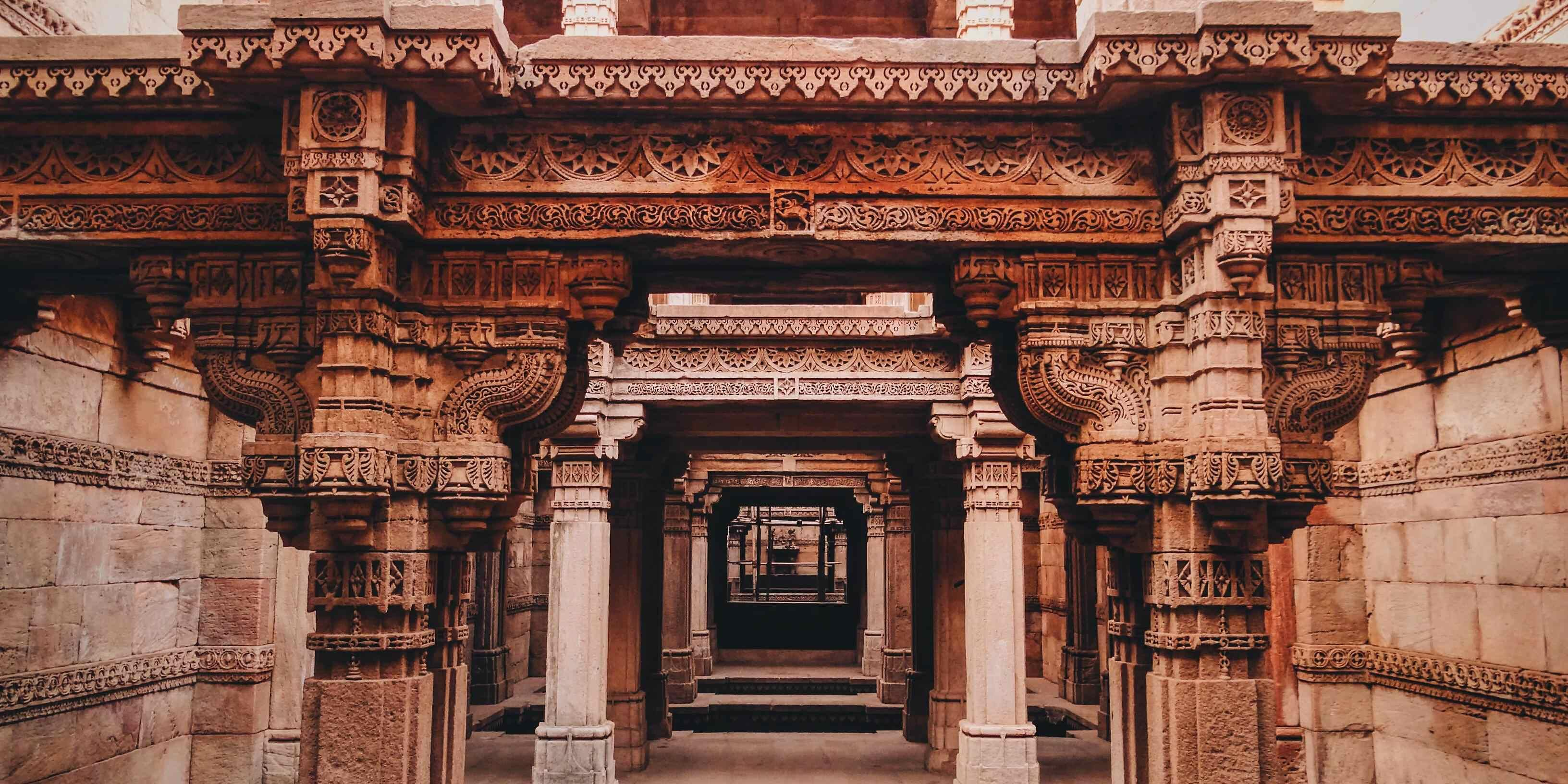
17th Century
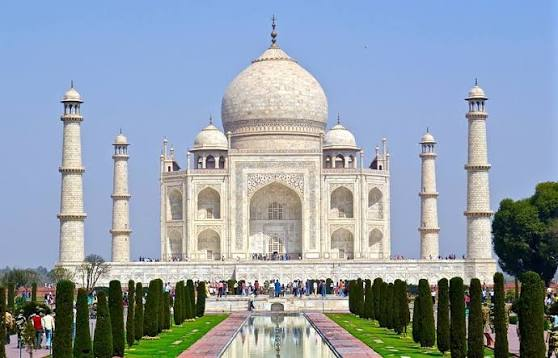
Taj Mahal
A globally recognised Mughal-era monument known for its architecture, gardens, calligraphy and pietra dura craftsmanship.
Exploring the architectural, cultural and historical legacy that forms an integral part of India's rich heritage.
From grand monuments to regional architectural landmarks, explore the places whose stories remain woven into India's history.
17th Century
A globally recognised Mughal-era monument known for its architecture, gardens, calligraphy and pietra dura craftsmanship.
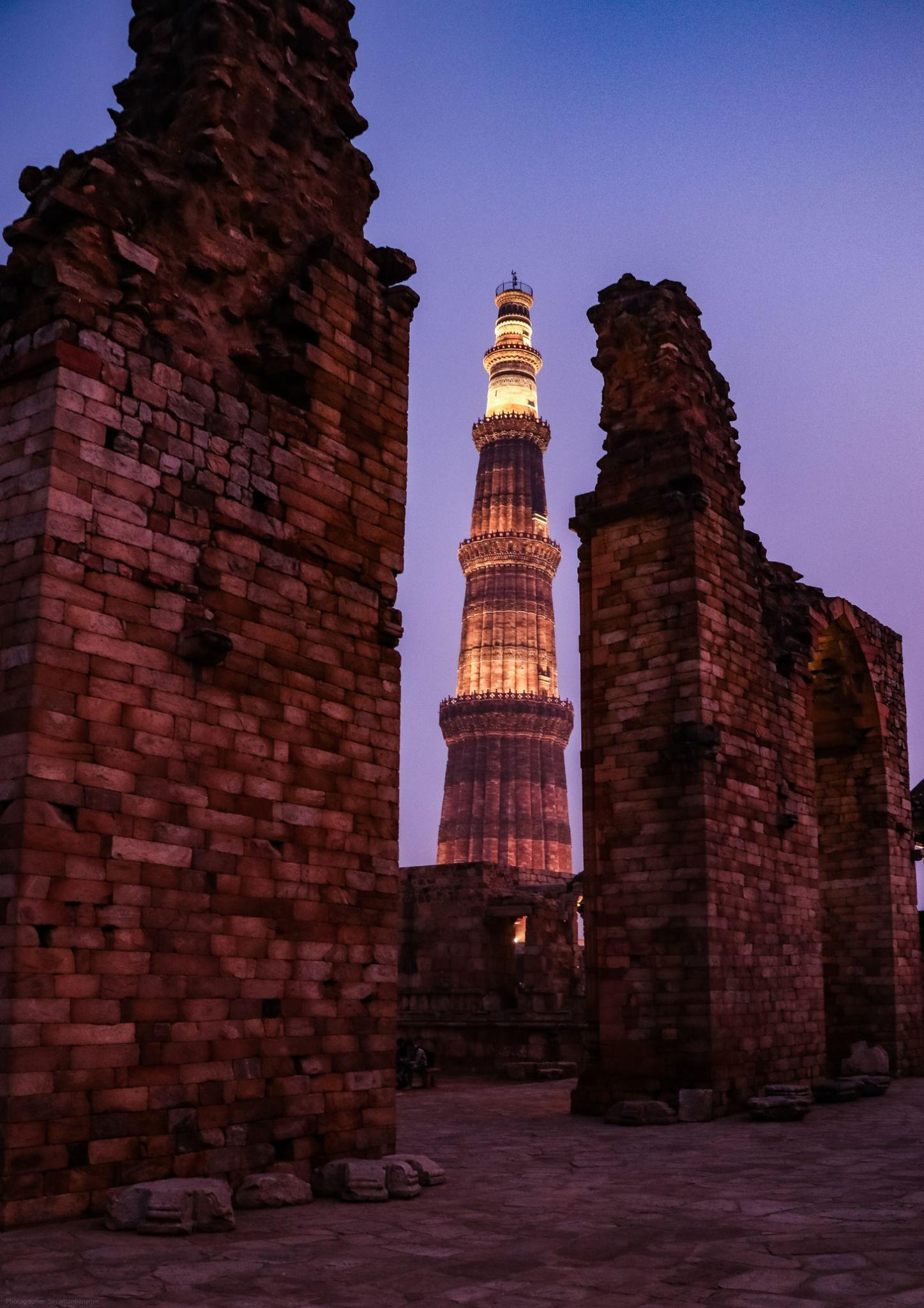
12th–13th Century
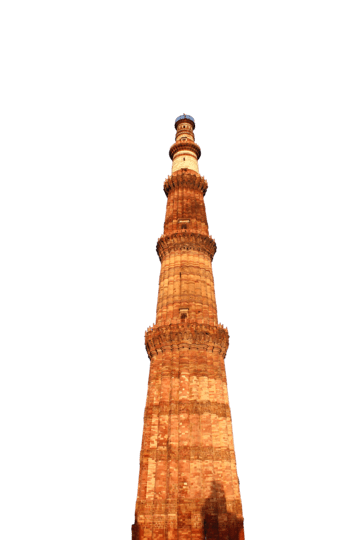
A landmark of Delhi’s medieval architectural landscape, surrounded by monuments and inscriptions that reflect changing periods of construction.
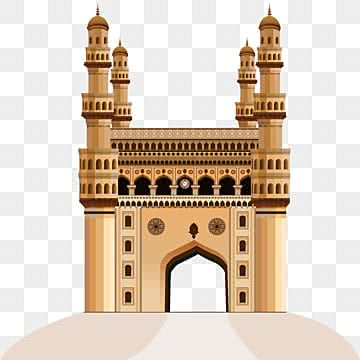
16th Century
An iconic Deccan monument and urban landmark whose arches, minarets and surrounding historic markets form a distinctive cityscape.
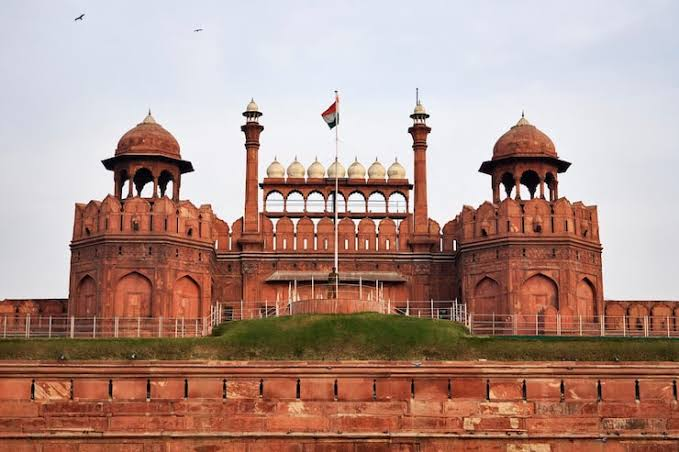
17th Century
A major Mughal fort complex associated with imperial Delhi, later political transitions and the public memory of India’s independence.
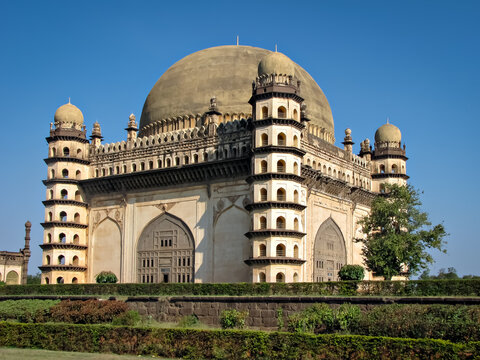
17th Century
A celebrated Deccan mausoleum noted for its monumental dome, scale and distinctive architectural acoustics.
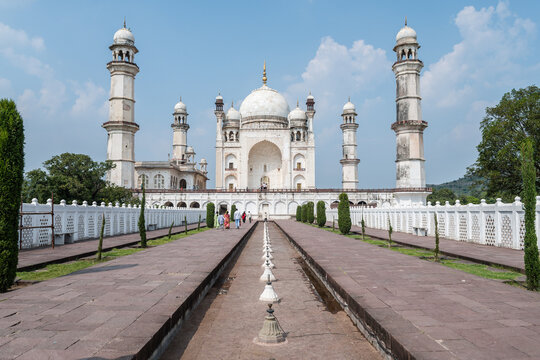
17th Century
A striking mausoleum in the Deccan, remembered for its marble detailing, gardens and relationship to Mughal architectural traditions.
Discover heritage through regional histories, local architecture, cities, communities and cultural landscapes.
Delhi • Agra • Lucknow • Kashmir • Punjab
Hyderabad • Karnataka • Kerala • Tamil Nadu
Gujarat • Maharashtra • Rajasthan
Bengal • Bihar • Madhya Pradesh
Not every heritage story is a famous monument. Architecture, institutions, markets, archives and landscapes all carry memory.
Power, defence, courts and royal architecture.
Sacred spaces, communities, inscriptions and traditions.
Memorial architecture and stories of remembrance.
Schools, colleges, madrasas and knowledge centres.
Design, ornament, calligraphy and regional styles.
Manuscripts, records, maps and intellectual memory.
Bazaars, trade routes, crafts and everyday urban life.
Gardens, water systems and cultural landscapes.
Heritage documentation should go beyond a photograph and a construction date. Each place can open a window into its creators, architectural style, political context, cultural exchange and the people who used or preserved it.
Buildings do not appear on their own. This archive also remembers the architects, craftspeople, scholars, patrons and conservationists connected to heritage.
Ideas, plans and architectural vision.
Structure, materials and construction knowledge.
Inscriptions, manuscripts and decorative lettering.
Stone, wood, tile, metal and surface craftsmanship.
Knowledge networks, education and intellectual traditions.
People working to preserve places for future generations.
Architectural elements can reveal technology, aesthetics, cultural exchange and regional craftsmanship.
Food, language, music, craft and traditions can carry historical memory just as powerfully as stone and architecture.
Traditional cuisines and culinary traditions shaped through generations.
Urdu, Persian and Arabic influences on Indian literature and intellectual life.
Qawwali, classical traditions, poetry and performance cultures.
Carpets, embroidery, weaving, handicrafts and regional skills.
Community traditions and cultural practices with historical roots.
India’s heritage belongs to every generation. Discover the efforts, challenges and initiatives involved in protecting historic monuments, manuscripts, art, architecture and cultural traditions for the future.
Explore Conservation Stories
Old mosques, forgotten tombs, historic madrasas, ancient libraries, old settlements, regional monuments and abandoned structures can reveal stories that rarely reach the mainstream.
Historical documents, old photographs, maps, manuscripts, inscriptions, architectural drawings, research articles and oral histories can help turn heritage into a living research record.
It is memory, identity and history.
Help us document, preserve and share the heritage of India.